

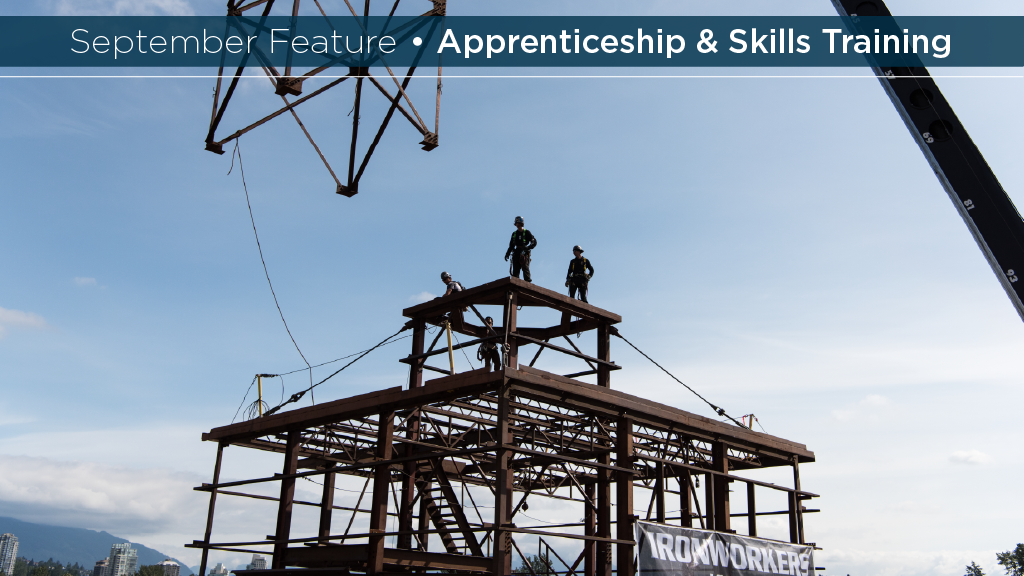
The British Columbia Institute of Technology (BCIT) is preparing to launch a groundbreaking project: a one-of-a-kind training tower for ironworkers. The new facility, set to replace the aging 1960s-era Ironworker Tower, will serve as a collaborative hybrid living lab that blends structural steel, mass timber, and concrete in a dynamic, real-world learning environment.
1. Why BCIT is Replacing the Ironworker Tower
Constructed in the 1960s, BCIT’s existing Ironworker Tower has been an essential part of the generalist ironworker program, where students assemble and dismantle the tower as a capstone project. However, after six decades of service, it has reached the end of its functional life.
2. History of the Original Tower
The original structure was built with Imperial measurements and a 10×10-foot grid, making it increasingly difficult to adapt to modern industry standards. Despite this, it has been central to BCIT’s hands-on learning philosophy for generations.
3. A World-First Training Concept
According to Mike McKoryk, head of BCIT’s Department of Steel Trades, the new facility will be the only one of its kind in the world, pushing the boundaries of construction training and offering a unique advantage to students.
4. Hybrid Materials for Modern Learning
The replacement tower will be built using:
- Structural steel bracing
- Mass timber
- Concrete foundation
This multi-material hybrid design reflects today’s construction industry, where professionals must be skilled in handling diverse materials and addressing challenges where they intersect.
5. Size, Scale, and Design Features
The new tower will use a 6×6 metre grid (about 20×20 feet) rather than the outdated Imperial system. It will be designed to be assembled and dismantled multiple times per year, providing repeat opportunities for training and applied learning.
6. Applied Learning for Ironworker Students
Students will continue to engage in hands-on assembly and dismantling projects, simulating real-world construction conditions. As McKoryk notes:
“Our current structure proves that the best way to learn is through doing.”
7. Interdisciplinary Opportunities Across BCIT
Unlike the original tower, the new facility will serve not only steel trades students, but also learners from:
- Design programs
- Engineering
- Construction management
- Building science
- Civil engineering
This will promote interdisciplinary teamwork, preparing students for collaborative industry environments.
8. Preparing Students for Real-World Industry Practices
The project emphasizes:
- Material handling skills
- Tolerance management
- Understanding the advantages and disadvantages of different construction materials
- Exposure to varied tools and techniques
9. Stakeholder Engagement and Collaboration
BCIT is actively engaging other departments and stakeholders to ensure the new tower is an inclusive learning resource. This collaboration aims to provide benefits beyond steel trades, creating a shared campus-wide asset.
10. Vision Behind the New Tower
The idea for the replacement tower originated from conversations between Mike McKoryk and Ryan Downey over the last 12 years. Initially a solution to replace an aging facility, the project has evolved into a world-leading model for hybrid construction training.
11. Future of Multi-Material Construction Training
By combining mass timber, steel, and concrete, the tower demonstrates the future of multi-material building systems. Students will be able to explore how different materials interact, giving them a deeper understanding of system-based construction approaches.
12. Final Thoughts
As BCIT prepares to break ground, the new training tower promises to provide unmatched applied learning opportunities, equipping the next generation of builders with the skills they need to succeed in modern construction.