

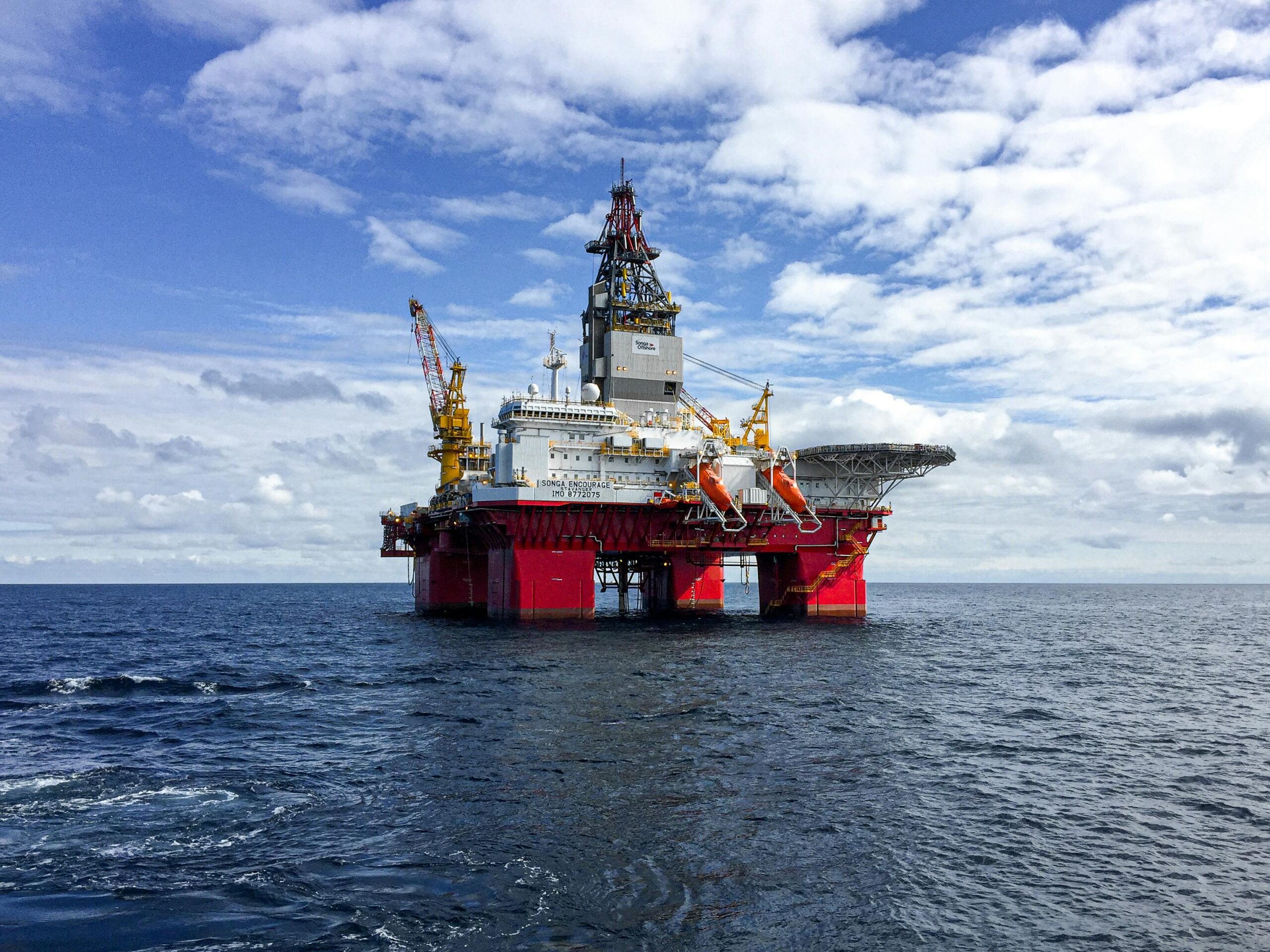
A tragic workplace accident aboard the Transocean Barents oil rig has led to a $50,000 fine for Transocean Canada Drilling Services, after one of its workers sustained severe, life-altering injuries. The sentencing, handed down in St. John’s provincial court, comes six years after the incident that highlighted critical lapses in offshore workplace safety and regulatory compliance.
1. Overview of the Incident
The workplace accident occurred on September 6, 2019, aboard the Transocean Barents oil rig operating in the Canada–Newfoundland and Labrador Offshore Area. The rig was being secured for severe weather when the incident took place.
2. Details of the 2019 Offshore Accident
During crane operations, a worker became trapped between a rail and a 1,400-kilogram steel adapter, leading to catastrophic injuries. The incident prompted an emergency evacuation, with the worker being airlifted to the Health Sciences Centre in St. John’s for immediate medical treatment.
3. Nature of the Worker’s Injuries
The worker suffered multiple severe injuries, including:
- Broken ribs
- A fractured clavicle
- Damage to internal organs, including the pancreas and liver
Judge Lois Skanes later described the injuries as “serious, permanent, and irreparable.”
4. Court Findings and Judge’s Remarks
In her judgment, Judge Lois Skanes emphasized that Transocean’s safety policies did not meet regulatory standards. She noted that while the crane operator followed internal procedures, those procedures were insufficient under safety law.
“Workplace safety was squarely the responsibility of Transocean as the employer,” Skanes stated.
The court also acknowledged the long-term suffering endured by the injured worker and his family.
5. The Fine and Additional Penalties
Transocean Canada Drilling was fined $50,000 under the Canada–Newfoundland and Labrador Offshore Marine Installations and Structures Occupational Health and Safety Transitional Regulations.
Additionally, the company must pay $15,000 to the College of the North Atlantic to fund safety programming for heavy equipment operators—an effort to promote future workplace safety awareness.
6. Regulatory Background and Safety Standards
This case falls under offshore-specific safety regulations that aim to protect workers in Canada’s energy and marine sectors. These laws require employers to ensure:
- Equipment safety compliance
- Proper hazard assessments
- Professional engineering oversight during operations
Failing to meet these standards can lead to criminal liability and financial penalties, especially under the Criminal Code of Canada and Occupational Health and Safety (OHS) laws.
7. Investigation and Legal Proceedings
The Canada–Newfoundland and Labrador Offshore Energy Regulator (C-NLOER) filed two charges against Transocean in 2022.
- The company was convicted on one charge.
- The second charge was dismissed.
The court concluded that Transocean’s internal policies failed to meet the legal threshold for worker safety, directly contributing to the accident.
8. Transocean’s Response and Legal Counsel’s Statement
While acknowledging the judgment, Transocean’s legal counsel, Alex Templeton, stated that the company was “relatively pleased that it’s a reasonable sentencing.” He also indicated that the firm may consider an appeal, disputing the reasons behind the conviction.
Templeton added that the company has since taken steps to improve safety protocols and strengthen compliance measures across its offshore operations.
9. Lessons for Employers in High-Risk Industries
This case underscores a key reminder: employers are ultimately responsible for workplace safety. To prevent similar incidents, companies should:
- Conduct regular safety audits
- Obtain engineering approvals for all structural work
- Train crane and rig operators according to updated safety laws
- Ensure compliance with offshore OHS regulations
Failure to follow these practices can lead not only to legal consequences but also to devastating human and financial costs.
10. Strengthening Offshore Safety Compliance
The incident serves as a wake-up call for Canada’s offshore industry. While Transocean has taken corrective measures, regulators emphasize the need for ongoing vigilance and proper documentation of all safety procedures.
Employers in energy, marine, and construction sectors are encouraged to consult with professional safety advisors through /services and stay informed via the latest updates on /news and /blog.