

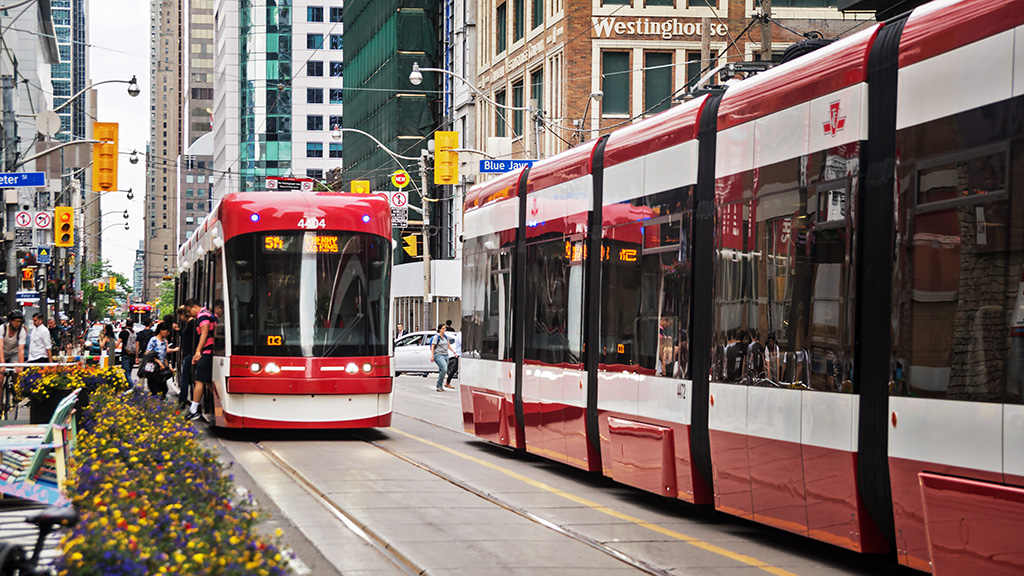
TORONTO — After the August approval of 120 major transit station areas (MTSAs) across Toronto, the city is moving forward with new policies and an implementation strategy designed to increase housing supply and contribute to Ontario’s target of 285,000 new homes by 2031.
Toronto is aligning housing and transit policies to address the housing crisis and improve urban density. With the approval of 120 transit-focused areas, the city is setting the foundation for stronger housing development tied directly to public transit access.
2. Background on MTSAs and PMTSAs
- MTSAs (Major Transit Station Areas):
Represent a 10-minute walking radius around existing or planned higher-order transit stations. These areas must meet provincially mandated density targets. - PMTSAs (Protected Major Transit Station Areas):
Go further by requiring minimum development density and enabling inclusionary zoning, ensuring affordable housing becomes part of future residential builds.
3. Toronto’s Housing and Transit Integration Goals
The ultimate objective is to connect housing growth with transit infrastructure. By 2031, Toronto aims to build 285,000 homes, leveraging land around transit stations as a core driver.
4. The Role of Major Transit Station Areas
MTSAs are a crucial part of Toronto’s growth strategy:
- Encourage compact, walkable communities
- Support public transit ridership
- Deliver a mix of housing, jobs, and services in one location
5. Protected Major Transit Station Areas Explained
PMTSAs have stricter regulations:
- Mandated minimum densities for new buildings
- Policies that protect affordable housing requirements
- Stronger controls to prevent underutilization of high-value land
6. Inclusionary Zoning for Affordable Housing
One of the most powerful tools tied to PMTSAs is inclusionary zoning. This means:
- Developers must allocate a portion of units in new projects as affordable housing
- Helps address affordability gaps in a growing city
- Ensures mixed-income communities around transit hubs
7. City’s Implementation Timeline
On September 25, a detailed workplan will be presented to the Planning and Housing Committee. It will outline:
- Updating Toronto’s zoning bylaws
- Accelerating implementation strategies
- Preparing proposals for City Council’s review by late spring or early summer 2026
8. The Workplan for 2026 Zoning Updates
The city plans to:
- Streamline development approvals
- Introduce density-focused zoning around stations
- Provide developers with clarity on housing requirements
This will reduce delays and help fast-track housing development.
9. Federal Funding Through Housing Accelerator Fund
The MTSA/PMTSA strategy is also tied to federal support:
- Toronto secured $471.1 million in funding from the Housing Accelerator Fund (HAF)
- Funds will back eight city housing initiatives, including zoning changes
- Support provided by the Canada Mortgage and Housing Corporation (CMHC)
10. Broader Impact on Toronto’s Housing Strategy
By linking transit and housing, Toronto aims to:
- Deliver sustainable, transit-oriented communities
- Increase affordable housing options
- Create vibrant neighborhoods that support jobs and businesses
11. Key Voices: Mayor Olivia Chow and City Officials
Mayor Olivia Chow highlighted the city’s urgency:
“We must move quickly to deliver the housing Toronto families need. These policies give us the tools to unlock land, streamline zoning, and meet our housing targets.”
12. What This Means for Developers and Residents
For developers:
- Clearer zoning rules
- Incentives to build near transit
- Requirements for affordable housing
For residents:
- More access to transit-friendly housing
- Increased supply to ease market pressures
- A stronger focus on community affordability
13. Conclusion
Toronto’s approval of 120 transit station areas marks a bold step in tackling housing shortages. By combining density targets, zoning reforms, and federal funding, the city is positioning itself to not only meet provincial housing goals but also create more inclusive, transit-connected communities for decades to come.