

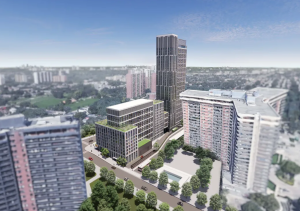
San Francisco’s iconic skyline may soon change as Mayor Daniel Lurie unveils an ambitious plan to make housing more affordable. For decades, the city’s limited space and strict zoning rules have driven prices sky-high, forcing long-time residents like firefighters, teachers, and service workers to move out. Now, city leaders hope that denser housing and smarter urban design can restore balance to one of America’s most expensive cities.
1. Understanding San Francisco’s Housing Problem
San Francisco, a city just seven miles across, has long struggled to build enough homes to meet demand. With average one-bedroom rents topping $3,500, the dream of city living has become impossible for many middle-income earners.
2. The Story of a Displaced Firefighter
Take Liam Murphy, a fifth-generation San Franciscan and firefighter, who found himself priced out. Despite a steady income, he was outbid again and again — small two-bedroom homes sold for $1.6 million. “I hope others can stay in the city,” he says, “because that diversity makes it special.”
3. What’s Behind the Mayor’s New Zoning Proposal
Mayor Daniel Lurie’s housing reform plan calls for taller, denser buildings across more neighborhoods — from the Sunset District to Haight-Ashbury. His goal is to make space for families, reduce costs, and meet state housing requirements by 2031.
4. Community Protests and Political Backlash
The proposal hasn’t been without controversy. Lurie has faced protests and recall threats, with some residents accusing him of fueling gentrification. At a recent rally, chants of “Shame!” echoed as residents demanded fully affordable housing instead.
5. Why the Housing Debate Divides Democrats
Even among Democrats, opinions are split. Some see increased density as essential to progress, while others worry about neighborhood character and displacement. The debate highlights the tension between growth and preservation.
6. Pressure from the State to Act
California has warned that if San Francisco fails to zone for 36,000 new homes by 2031, the state will take control of city development approvals. This deadline has made housing reform a top priority for city officials.
7. Supporters Say: “Build More Homes, Lower the Cost”
Proponents argue that a greater housing supply will help balance the market. They believe adding more homes — especially mixed-use, mid-rise buildings — will eventually ease overall costs and make San Francisco livable again.
8. Critics Warn: “Luxury Housing Won’t Fix It”
Opponents insist that developers will focus on luxury properties, not affordable housing. “Developers will chase profit, not public good,” one local advocate warns, fearing that historic districts will lose their charm.
9. The “Family Zoning Plan” Explained
The mayor’s “Family Zoning Plan” allows homeowners to build duplexes or studio units on single-family lots without raising height limits beyond four stories.
Key highlights include:
- At least 15% of new housing must be below market rate.
- Commercial corridors may rise to eight stories.
- Main roads could allow buildings up to 10 stories or more.
- Select areas like Van Ness Avenue may reach 650 feet, rivaling downtown skyscrapers.
10. Impact on Neighborhoods and Historic Areas
Residents in areas like Haight-Ashbury worry about losing the cozy atmosphere that defines San Francisco. “It’s like living next to a wall now,” said one homeowner near a new eight-story complex. “It’s too much for a historic neighborhood.”
11. Will the Proposal Actually Deliver Results?
Even if passed, experts note that high construction costs and slow approvals could limit progress. According to a 2023 state review, the city’s permitting process remains “notoriously complex,” delaying development for years.
12. What’s Next for San Francisco Housing?
The Board of Supervisors is expected to vote soon, with some amendments to protect rent-controlled units. For many, the outcome will determine whether San Francisco remains diverse and vibrant, or continues becoming a city only the wealthy can afford.
Quick Overview Table
| Key Issue | Details |
|---|---|
| Proposal Name | Family Zoning Plan |
| Main Goal | Increase housing density citywide |
| Affordable Housing Quota | 15% of all new units |
| Max Building Height | Up to 650 ft (Van Ness Ave) |
| State Target | 36,000 new homes by 2031 |
| Mayor | Daniel Lurie |
| Public Response | Divided: support + backlash |