

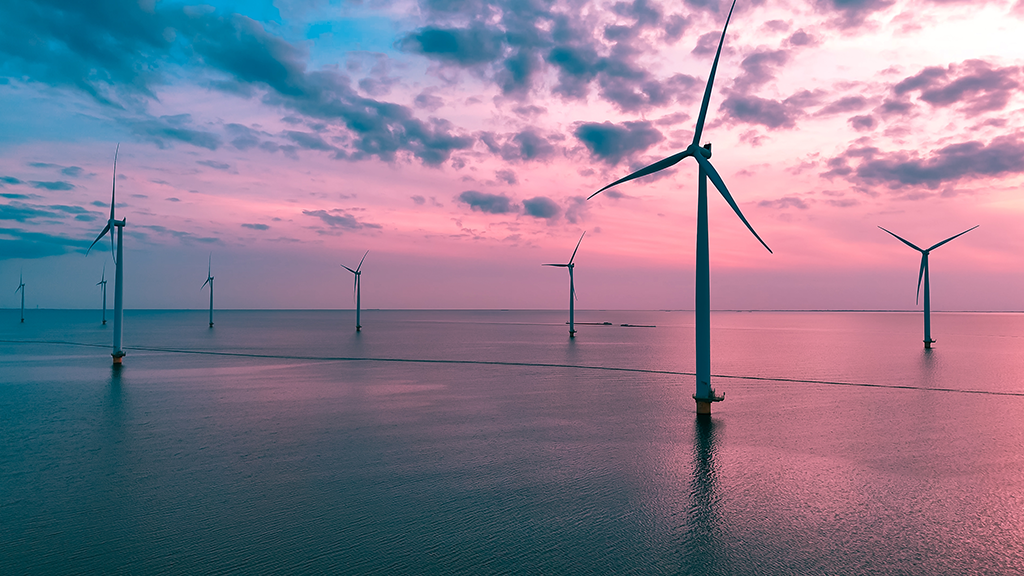
Canada is entering a new era of clean energy. Ottawa and Nova Scotia have officially started laying the groundwork for the country’s first offshore wind projects. With prequalification steps, consultations, and ambitious energy targets, the region is positioning itself as a leader in renewable power.
The Vision for Offshore Wind in Canada
Offshore wind is set to become a cornerstone of Canada’s renewable energy future. Ottawa and Nova Scotia have begun the process to make this vision a reality, starting with strong regulatory frameworks and industry engagement.
Prequalification Process for Bidders
The first step is a prequalification phase to ensure that only capable and experienced firms can participate. This process will last at least 90 days and focus on evaluating the technical and financial capacity of bidders.
Role of the Canada-Nova Scotia Offshore Energy Regulator
The Canada-Nova Scotia Offshore Energy Regulator will oversee the bid process and ensure that it aligns with environmental, social, and economic goals.
Consultation with Indigenous and Local Communities
Consultations will be held with:
- Mi’kmaq communities
- Offshore wind stakeholders
- Fishing and seafood industries
These discussions will help shape the regulatory framework and ensure inclusive development.
Energy Targets: 3GW to 5GW Capacity
Ottawa and Nova Scotia are aiming for 3 gigawatts of offshore wind capacity in the short term, with the possibility of expanding to 5 gigawatts if feasible.
The Wind West Project and Federal Support
The Wind West Project, supported by Prime Minister Mark Carney, aims to provide clean power across Atlantic Canada and beyond. This project highlights Ottawa’s commitment to partnering with Nova Scotia on renewable energy expansion.
Nova Scotia’s Commitment to Fast-Tracking Development
Nova Scotia Energy Minister Trevor Boudreau emphasized speed, saying the province is dedicated to moving forward “appropriately but quickly.” Calls for bids are expected by the end of this year.
Estimated Costs and Financing Options
The initial capital cost of Wind West is estimated at $60 billion. Funding strategies include:
- Federal investment tax credits
- Low-interest loans via the Canada Infrastructure Bank
- A 4% royalty on offshore wind production
| Project Aspect | Estimated Value |
|---|---|
| Capital Cost | $60 Billion |
| Royalty Rate | 4% |
| Target Capacity | 5 GW by 2030 |
Designated Offshore Development Zones
Four offshore areas have been selected for development:
- French Bank
- Middle Bank
- Sable Island Bank
- Sydney Bight
At least one parcel in Sydney Bight and French Bank, and two parcels in Middle Bank, will be prioritized.
Fees and Licensing Requirements for Bidders
To ensure commitment, bidders must pay:
- $250,000 nonrefundable application fee
- $750,000 additional fee for a submerged land licence if selected
These fees are designed to secure only serious participants.
Next Steps for Offshore Wind Development
The process will move forward in phases:
- Public consultations (minimum 30 days)
- Prequalification process (minimum 90 days)
- Call for bids early next year
- Licensing and approvals before construction begins
Conclusion
Ottawa and Nova Scotia are taking bold and necessary steps to transform Canada’s energy future. With proper planning, collaboration, and financial backing, the offshore wind sector could become a $60-billion milestone in clean energy.