

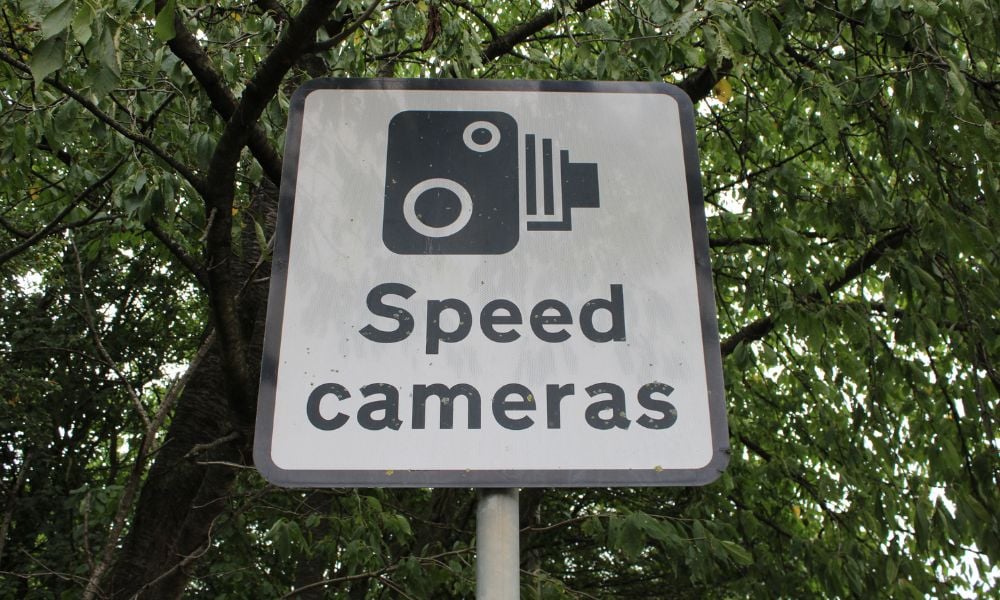
Ontario has officially ended the use of municipal speed cameras, marking a major change in how the province approaches road safety and traffic management. Instead of automated enforcement tools, the government is shifting focus to physical traffic-calming infrastructure that aims to make communities safer without relying on fines. With the launch of a new $210-million Road Safety Initiatives Fund (RSIF), municipalities will soon have access to support for proven, engineering-based solutions that reduce speeding and protect vulnerable road users.
1. Overview of Ontario’s Speed Camera Ban
The province’s ban on municipal speed cameras takes effect immediately after the passing of the Building a More Competitive Economy Act, which received Royal Assent on November 3. This marks the end of automated speed enforcement across hundreds of locations in Ontario.
2. Why the Province Ended Automated Speed Enforcement
More than 700 cameras have been used across Ontario since 2019. A single camera in Toronto issued 65,000+ tickets and collected nearly $7 million in fines.
These numbers fueled public concerns that speed cameras had become revenue-generating tools rather than genuine safety measures. The provincial government responded by discontinuing the practice and replacing it with infrastructure-focused solutions.
3. Details of the $210M Road Safety Initiatives Fund (RSIF)
The RSIF is designed to support municipalities with:
- Infrastructure upgrades
- Engineering-based traffic calming
- Projects in school zones and community safety zones
- Long-term improvements to local road networks
An initial $42 million is being released immediately to municipalities that previously operated speed cameras.
4. Types of Traffic-Calming Measures Eligible for Funding
Under the RSIF, municipalities can apply for funding to build:
- Speed bumps & speed humps
- Raised crosswalks
- Roundabouts
- High-visibility signs and markings
- Curb extensions
- Road narrowing measures
- Increased police enforcement support
These solutions are widely recognized as effective and sustainable ways to reduce speeding and improve pedestrian safety.
5. Impact on Municipalities Previously Using Speed Cameras
Cities and towns that relied on speed camera revenue will need to adjust their road safety strategies. With automatic ticketing removed, they must show formal construction plans to access RSIF funding, ensuring the new system emphasizes safety over fines.
6. Public and Occupational Road Safety Implications
The removal of automated enforcement places more responsibility on:
- Engineering controls
- Municipal planning
- Road design
- Collaboration with health and safety professionals
Workplace road safety advocates will play a key role in supporting municipalities through this transition.
7. Government Statements on the Policy Shift
Transportation Minister Prabmeet Sarkaria stated that Ontario is “standing up for drivers” by banning what he referred to as “cash-grab speed cameras.”
He added that the RSIF will support “proven road safety measures that will make a real difference,” reinforcing that Ontario already maintains one of the safest road networks in North America.
8. Timeline and Funding Process for Municipal Applications
- Immediate Funding (2025): $42M provided to municipalities that had cameras in place
- Application Window Opens: Early 2026
- Required Submissions: Detailed construction and traffic-calming plans
- Remaining Funds Distributed: Based on the province’s evaluation process
9. The Role of Enforcement, Community Planning & Engineering
Without speed cameras, municipalities must rely on a combined approach:
- Physical design changes
- Police presence where needed
- Community education programs
- Long-term planning aligned with local traffic data
These integrated strategies have been shown to work better than punitive speed enforcement alone.
10. Comparison to Existing Provincial Road Safety Programs
The RSIF expands upon existing programs, including:
- Road Safety Community Partnership Program
- RIDE Grant for impaired driving enforcement
Together, these initiatives support public education, awareness, and targeted enforcement to prevent high-risk behaviours.
11. Ontario’s Road Safety Performance & Rankings
Ontario consistently ranks among the top five jurisdictions in North America for road safety performance, boasting one of the lowest fatality rates per 10,000 licensed drivers. The province says the new fund will help sustain this strong record while restoring public trust in traffic-calming efforts.
12. What This Means for Drivers and Local Communities
For drivers, this means:
- No automated speeding tickets
- More visible and physical traffic-control measures
- Improved road layouts in school and community zones
- Potentially fewer confrontational or confusing enforcement systems
Communities benefit from safer, more predictable road environments.
13. How Safety Professionals Can Support the Transition
Health and safety teams can help municipalities by:
- Conducting local hazard assessments
- Providing guidance on engineering controls
- Participating in community planning committees
- Supporting public communication efforts
- Partnering with schools and businesses to identify high-risk areas
Without speed cameras, proactive collaboration becomes even more important.
14. Conclusion
Ontario’s decision to end municipal speed cameras marks a major policy shift toward infrastructure-backed road safety. With $210M in new funding, the province aims to make community spaces safer through engineering controls rather than automated fines. The real challenge now lies in effective implementation — and in ensuring municipalities have the expertise, partnerships, and resources needed to make the transition successful.