

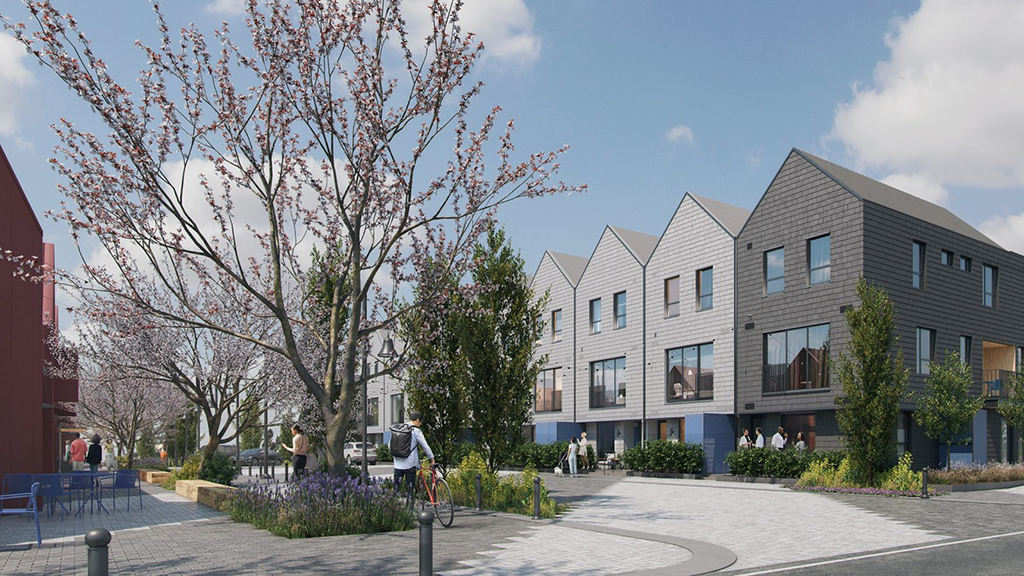
Canada is officially moving forward with its Housing Design Catalogue, a long-anticipated federal initiative aimed at streamlining construction and delivering affordable homes faster. Inspired by the historic CMHC catalogues first published in 1947, the modern version focuses on gentle densification within urban areas, offering standardized blueprints to reduce costs, speed approvals, and support sustainable housing development.
Background of the Housing Design Catalogue
The catalogue was first conceptualized under the Trudeau administration, drawing inspiration from the CMHC’s original 1947 home design guides. Now relaunched by the new Liberal government, it represents a direct response to Canada’s current housing affordability crisis.
Why the Catalogue Matters Today
With Canada aiming to double the rate of housing construction, the catalogue provides a practical solution by eliminating time-consuming design bottlenecks and creating ready-to-build models suitable for municipalities nationwide.
Standardized Home Designs Available
There are 50 individual designs included in the catalogue, featuring:
- Accessory dwelling units (ADUs) for existing lots
- Duplexes and multiplexes
- Contemporary homes designed to blend with neighborhoods
Each plan is downloadable free of charge, making them accessible for builders, municipalities, and homeowners.
Regional and Climate-Specific Adaptations
Designs are tailored to Canada’s diverse climates and regional building codes. This ensures suitability from coast to coast, reducing costly adjustments during construction.
Municipal Support Across Canada
More than a dozen municipalities have already committed to pre-reviewing catalogue designs to streamline approvals. This proactive step should speed up housing starts and encourage broader adoption across the country.
Connection to Build Canada Homes Initiative
The catalogue complements the $13 billion Build Canada Homes agency, which focuses on scaling up affordable housing through prefabrication and modular construction. Together, these initiatives aim to close the housing gap.
Traditional vs. Prefabrication Approaches
Unlike Build Canada Homes’ industrial-scale vision, the catalogue emphasizes traditional wood frame construction. The goal is to keep housing projects community-oriented and support local contractors and supply chains.
Supporting Local Jobs and Forestry
By relying on wood-frame designs, the catalogue supports Canada’s forestry sector and strengthens local job markets in construction, carpentry, and related trades.
Building Performance and Energy Standards
Each design package includes a Building Performance Report, with data on:
- Operational energy use
- Embodied carbon
- Whole life carbon assumptions
While designs aim for NBC 2020 – Tier 3 performance, they fall short of PassivHaus standards, setting an airtightness target of 2.5 ACH with third-party verification required.
Industry Reactions and Future Outlook
With technical packages now released, the housing industry will begin testing and providing feedback. While some experts may be disappointed by the energy efficiency standards, the catalogue represents a major step toward affordability, speed, and sustainability in Canadian housing.