

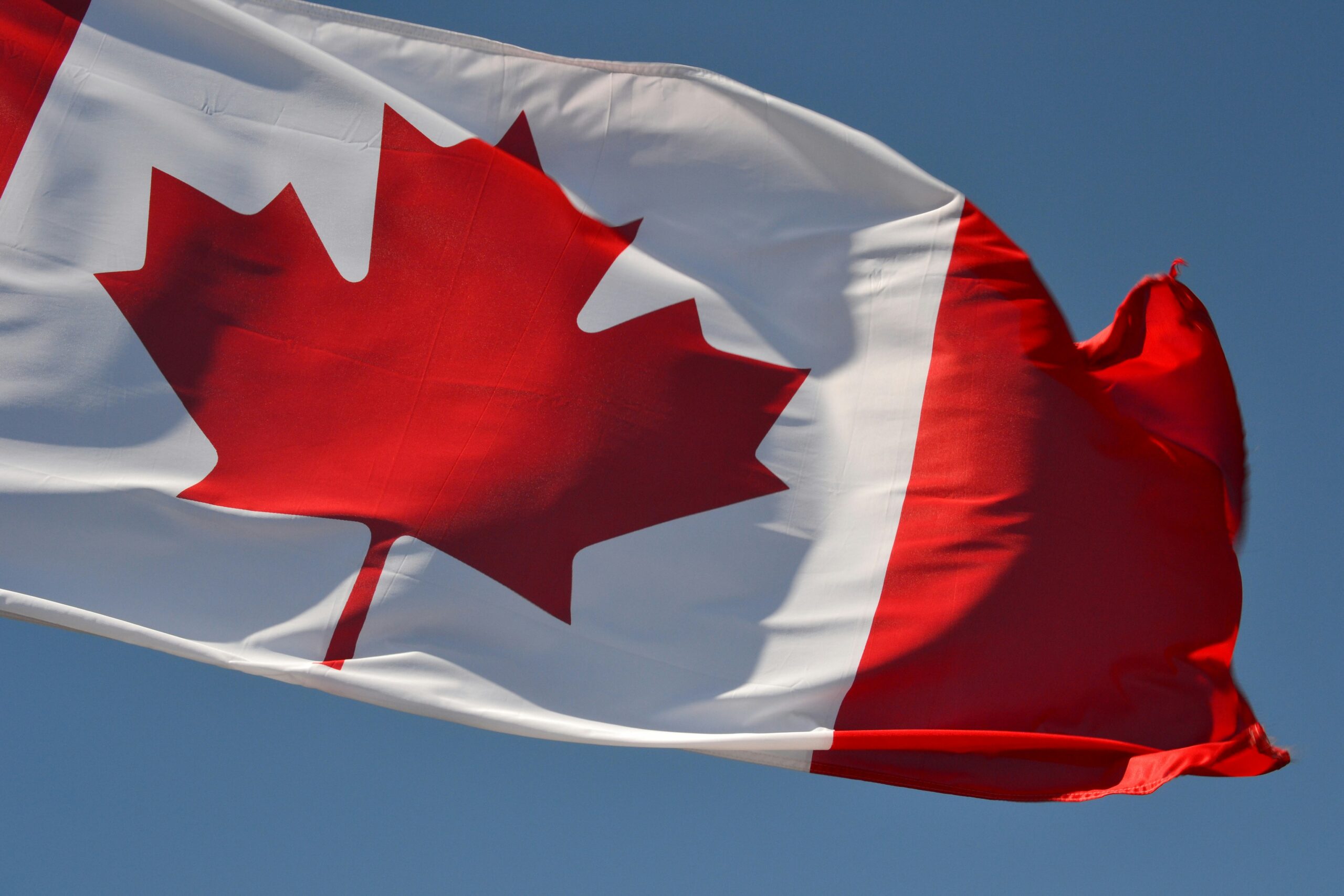
Canadian Trade Minister Dominic LeBlanc has confirmed that talks between Canada and the United States on a renewed trade deal are moving forward, but he emphasized that no deadline has been set for finalizing an agreement. Despite recent media speculation suggesting that a deal could be imminent, both LeBlanc and Prime Minister Mark Carney have urged patience, highlighting that while progress is real, challenges remain—particularly regarding tariffs and sector-specific trade barriers.
1. Overview of the Ongoing Trade Negotiations
Canada and the United States have entered a critical phase in their trade discussions, with both sides working through complex details surrounding tariffs on steel, aluminum, and energy. LeBlanc confirmed that the talks have advanced to “a level of detail we hadn’t seen previously,” but cautioned that more work is still required to reach a final agreement.
2. LeBlanc’s Position on the Canada-U.S. Deal
Speaking to reporters in Ottawa, LeBlanc dismissed reports claiming that a deal was only days away. “We’re making progress,” he said, “but we still have work to do.” He reiterated that Canada’s focus is on achieving a fair, long-term agreement that benefits workers and industries, rather than rushing into a deal that could create future risks.
3. Carney’s Remarks on the Progress of Talks
Prime Minister Mark Carney echoed LeBlanc’s cautious optimism, saying that although discussions with the Trump administration were ongoing, it was important “not to overplay it.” Carney noted that his priority remains to diversify trade relationships, ensuring Canada is less vulnerable to political or tariff pressures from any single partner.
4. APEC Summit: Expectations and Diplomatic Goals
Both leaders are scheduled to attend the Asia-Pacific Economic Cooperation (APEC) summit in South Korea later this month. While speculation suggests that a potential steel and energy trade deal could be signed there, Carney emphasized that the summit’s broader goal is to strengthen multilateral trade relationships with other countries across Asia and the Pacific.
For more updates on global trade policy, visit our /news section.
5. The Role of the Canada-U.S.-Mexico Agreement (CUSMA)
LeBlanc pointed out that many Canadian exports remain protected under CUSMA, the modernized version of NAFTA. Goods that meet CUSMA’s standards are exempt from Trump’s 35% duties, providing a buffer against some of the harsher trade measures now targeting other nations.
| Trade Measure | Status Under CUSMA |
|---|---|
| Steel & Aluminum Tariffs | Under Negotiation |
| Energy Trade | Ongoing Discussions |
| Automotive Exports | Protected by CUSMA Rules |
| Lumber Tariffs | Still Under U.S. Review |
6. The Impact of Tariffs on Key Canadian Industries
Despite these protections, several Canadian sectors continue to face heavy tariffs, especially steel, aluminum, copper, automobiles, and lumber. The Trump administration’s decision to expand tariffs to medium- and heavy-duty trucks beginning November 1 has added new pressure to Canada’s manufacturing industry.
7. Why Canada Is Avoiding an Artificial Deadline
LeBlanc made it clear that Canada would not rush into an agreement for the sake of speed. “If we set an artificial deadline, it might lead us to a deal that’s not in the best interest of Canadian workers,” he said. This statement underlines the government’s priority: protecting long-term economic stability over short-term political wins.
For more on how Canada manages trade strategy, visit our /blog.
8. Pressure on Ottawa to Deliver Relief for Workers
The Canadian government is under increasing pressure to deliver tariff relief. Prime Minister Carney has faced growing scrutiny from opposition leaders and business associations who expect swift action to safeguard manufacturing jobs and export revenues.
9. Business Community’s Perspective on the Negotiations
Goldy Hyder, president and CEO of the Business Council of Canada, said he is “cautiously optimistic” about the progress toward a sectoral agreement on steel, aluminum, and energy. He praised the improving relationship between Carney and Trump, noting that “that’s what it takes to get a deal done.”
10. The Path Forward for Canada-U.S. Trade Relations
With both nations preparing for crucial talks at the APEC summit, the focus will remain on balancing trade equity, lifting tariffs, and protecting domestic jobs. While a final deal may not be imminent, the growing collaboration between Ottawa and Washington signals constructive momentum in what has often been a challenging trade relationship.
For more updates on Canada’s economic policy, visit our /home or /contact pages.