

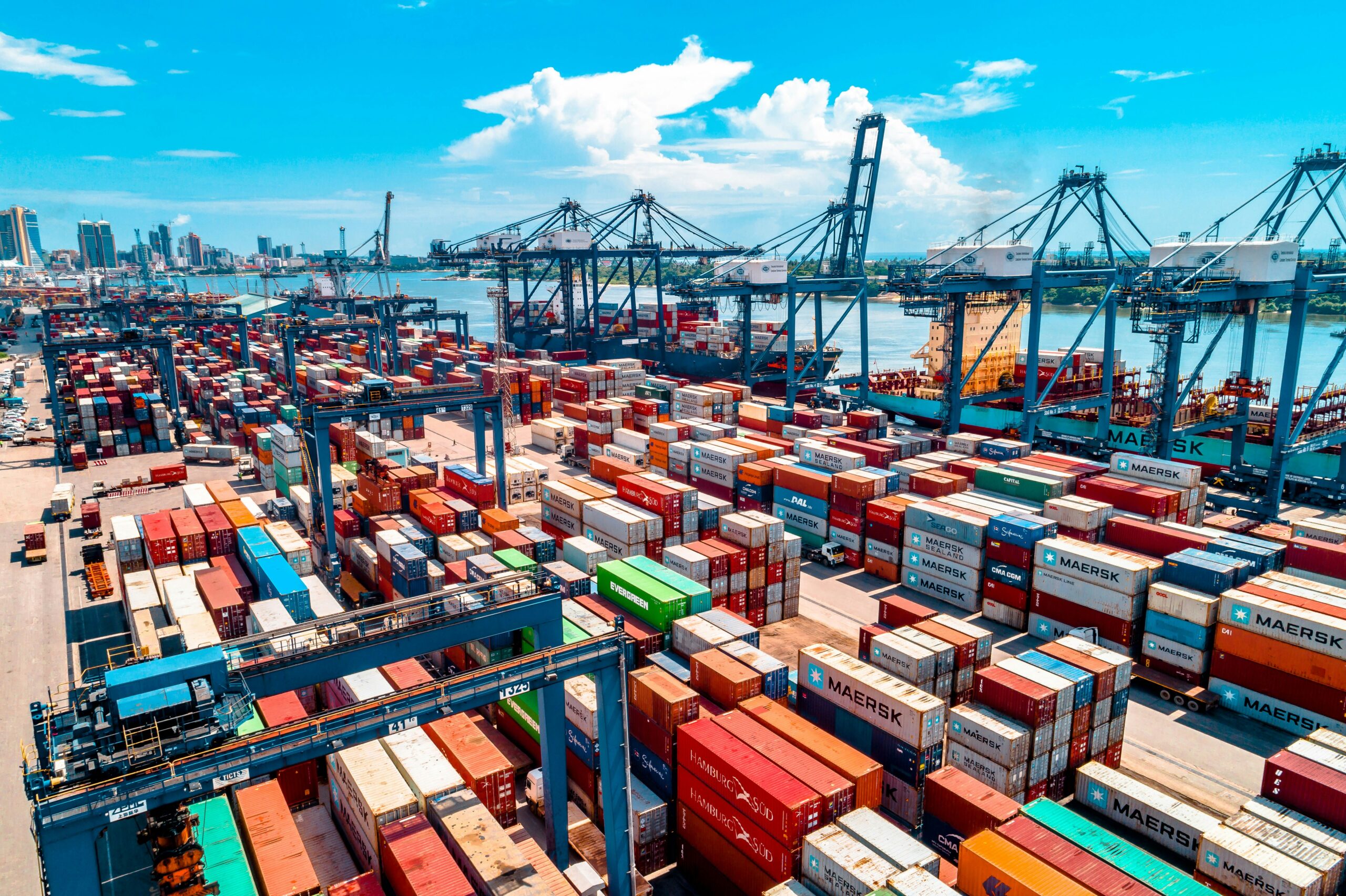
Canada is entering a new era of global trade as businesses increasingly look beyond the United States for export opportunities. With rising U.S. tariffs and shifting global markets, companies are now urging the federal government for support in accessing overseas markets. To accelerate this transition, Ottawa has introduced a powerful $6-billion fund aimed at expanding trade-enabling infrastructure and helping Canada double its non-U.S. exports in the coming years. This move marks one of the most ambitious export-diversification strategies in the country’s recent history.
A New Wave of Canadian Export Interest
International Trade Minister Maninder Sidhu says he’s seen a dramatic shift among Canadian businesses. For years, companies focused almost entirely on exporting to the United States. Today, however, firms are approaching the government asking for help reaching markets in Europe, Asia, Africa and the Middle East.
Why Diversifying Beyond the U.S. Matters
Canada has long depended on the U.S. for more than 70% of its total exports. With the ongoing tariff conflict, however, relying so heavily on one market poses risks.
Key reasons for diversification include:
- Uncertain U.S. tariffs
- Increased global demand for Canadian goods
- Access to new emerging markets
- Reduced economic vulnerability
Ottawa’s $6-Billion Trade Infrastructure Plan
To meet Prime Minister Mark Carney’s target of doubling non-U.S. exports by $300 billion, Canada must dramatically expand its export capacity. The newly announced $6-billion trade-infrastructure fund will help upgrade transport routes, logistics hubs and port facilities across the nation.
The $5-Billion Trade Diversification Corridors Fund
This fund aims to “grease the wheels” of the Canadian economy by removing logistics bottlenecks and boosting export capacity.
What the Fund Supports (Table)
| Funding Stream | Purpose |
|---|---|
| Trade Diversification Corridors Fund | Improve transport and commercial infrastructure |
| Port & Rail Enhancements | Expand national export capacity |
| Supply Chain Upgrades | Support long-term trade growth |
The goal is to ensure Canada has enough capacity to move hundreds of billions in additional goods overseas.
Additional $1-Billion Arctic Infrastructure Fund
Ottawa is also launching a separate Arctic-focused fund to support dual-use projects that serve both national defence and northern communities. As Arctic routes grow in strategic and commercial importance, this investment could reshape northern trade pathways.
Canada’s Capacity Challenge for Future Exports
Sidhu notes that Canada currently has just enough export capacity for the next few years. However, without major upgrades, it will fall short of reaching the $300-billion target. CEOs, trade boards, and chambers of commerce continue to stress that Canada urgently needs new trade corridors.
CN Rail Terminal Visit Highlights Trade Momentum
Sidhu and Transport Minister Steven MacKinnon recently visited CN Rail’s major intermodal terminal in Brampton—an essential inland hub through which billions of dollars in goods flow each year. The visit signals the government’s push to highlight infrastructure needs and opportunities.
Post-Budget Roadshow Across Canada
MacKinnon has been meeting local industry leaders across Quebec, with stops in the Îles-de-la-Madeleine, Quebec City, Trois-Rivières and Montreal. He’ll soon travel west as the government prepares to open the proposal window for trade-infrastructure projects.
He stated, “There is a ton of interest out there,” showing how urgent the demand really is.
What Industries May Benefit
While Ottawa hasn’t finalized priority sectors, the upcoming trade-diversification strategy may support:
- Critical minerals
- Manufacturing
- Clean energy
- Agriculture
- Marine shipping
Priority Projects Highlighted in the 2025 Budget
The budget gives some clues about the type of projects Canada may fund, such as:
- Great Lakes–St. Lawrence Region shipping upgrades
- Expanding the Port of Saguenay’s second wharf
- Rail line development in Alberta
- West Coast port and rail improvements
These projects are expected to expand capacity and strengthen national supply chains.
How This Strategy Supports Exporters
Canadian exporters will gain key advantages, including:
- Faster international shipping times
- Less congestion across ports
- Improved inland distribution hubs
- More reliable trade routes world-wide
These improvements make exporting simpler and reduce risks — even for smaler firms.
Conclusion
With the $6-billion trade infrastructure fund, Canada is preparing for a major shift toward global markets. As demand grows and trade patterns evolve, this strategy positions Canadian businesses for long-term success well beyond the U.S. border.