

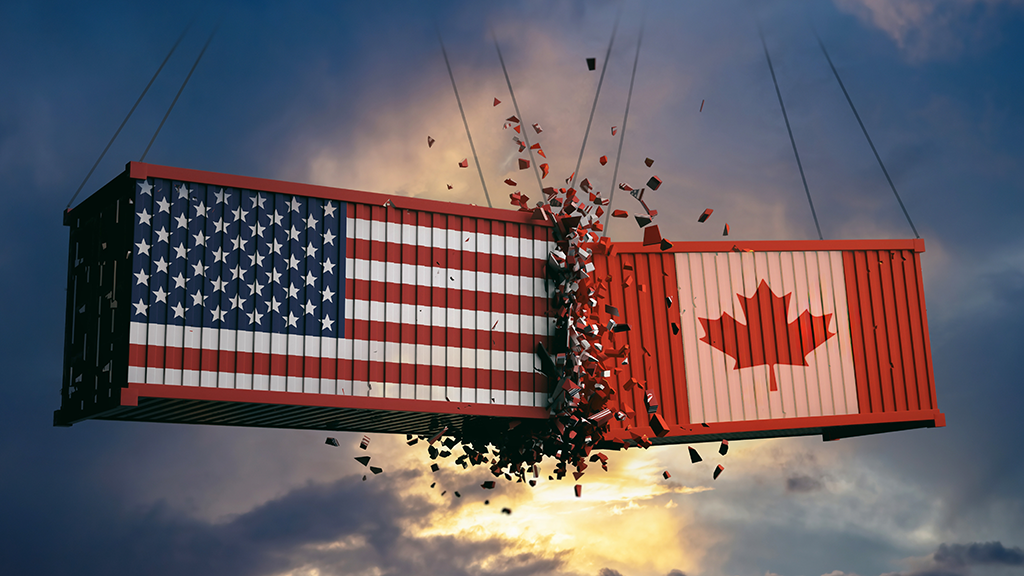
In a recent statement, Algoma Steel CEO Michael Garcia made it clear that even if Canada reaches a new trade deal with the United States, the company does not expect a return to its old business model. This bold stance reflects a strategic shift in Canada’s steel industry, where local production and national interests are becoming the new priorities.
1. Background: Canada-U.S. Steel Trade Tensions
The Canada-U.S. steel trade relationship has long been complicated by tariffs, trade policies, and shifting political agendas. After years of relative stability, new 50% tariffs imposed by the U.S. nearly closed the market for Canadian steelmakers like Algoma Steel, causing a major disruption to exports.
For reference, you can view the Government of Canada’s official updates on Canada-U.S. trade and tariffs.
2. CEO Michael Garcia’s Statement
During a recent conference call, outgoing CEO Michael Garcia stated that even if trade relations improve, the company won’t revert to its previous reliance on U.S. exports.
“A resolution would help margins, but we must remain mindful of strategic risk in supplying the U.S. market,” said Garcia.
This indicates a permanent shift in Algoma’s long-term production and investment focus, emphasizing national self-reliance.
3. Why Algoma Steel Is Moving Away from the U.S. Market
Algoma’s decision is driven by both economic and strategic concerns:
- Tariff uncertainty makes exports unpredictable.
- Political instability in the U.S. trade environment.
- Rising domestic opportunities in Canada’s infrastructure and defense sectors.
This move also aligns with Canada’s broader nation-building initiatives, which seek to strengthen domestic industries rather than depend heavily on foreign trade.
4. The Impact of U.S. Tariffs
The 50% tariff on steel from Canada has had a devastating impact on Algoma’s bottom line.
| Impact Area | Details |
|---|---|
| Tariff Rate | 50% on Canadian steel exports |
| Financial Loss | Nearly $500 million in one quarter |
| Market Access | Severely restricted in the U.S. |
| Employment | Jobs stabilized through federal support |
The company’s losses highlight how protectionist trade policies can cause ripple effects across both countries’ economies.
5. Canada’s Negotiation Efforts and Trump’s Decision
The federal government had been optimistic about reaching an agreement with the U.S. over steel and aluminum trade. However, former U.S. President Donald Trump abruptly halted the ongoing negotiations, leaving the talks in limbo.
This unexpected move forced Algoma and other producers to rethink their export strategies and focus more on domestic opportunities instead of relying on the uncertain U.S. market.
6. Algoma’s Focus on Domestic Markets
Garcia highlighted that Algoma is now positioning itself as a strategic partner in Canada’s nation-building agenda. The company aims to supply high-quality steel for:
- Defense and military projects
- Infrastructure development
- Energy sector expansion
- Manufacturing and industrial modernization
This pivot demonstrates how Algoma intends to play a key role in supporting Canada’s economic independence.
7. Financial Performance and Government Support
Despite recent losses totaling nearly half a billion dollars, Algoma Steel has received a significant $500 million financing package from both the provincial and federal governments.
This funding is intended to help the company transition to a sustainable business model, reduce emissions, and modernize production technology.
| Support Type | Amount | Source |
|---|---|---|
| Financial Assistance | $500 million | Federal & Ontario Governments |
| Objective | Business transition & sustainability | |
| Long-Term Goal | Strengthen Canada’s domestic steel capacity |
The funding also reflects the government’s commitment to maintaining jobs and supporting green steel initiatives in Canada.
8. What This Means for Canada’s Steel Industry
Algoma Steel’s shift away from the U.S. market could signal a major turning point for Canada’s industrial future. Rather than chasing volatile export markets, the focus is now on self-reliance, innovation, and clean production.
If successful, this strategy could serve as a blueprint for other Canadian manufacturers, showing that long-term strength can come from building within.
Conclusion
Algoma Steel’s decision not to depend on the U.S. market marks a bold but necessary transformation. By prioritizing national interests and sustainable production, the company is setting a new standard for Canadian manufacturing resilience.
While challenges remain, this transition reflects a future where Canada’s industries grow stronger — at home.