

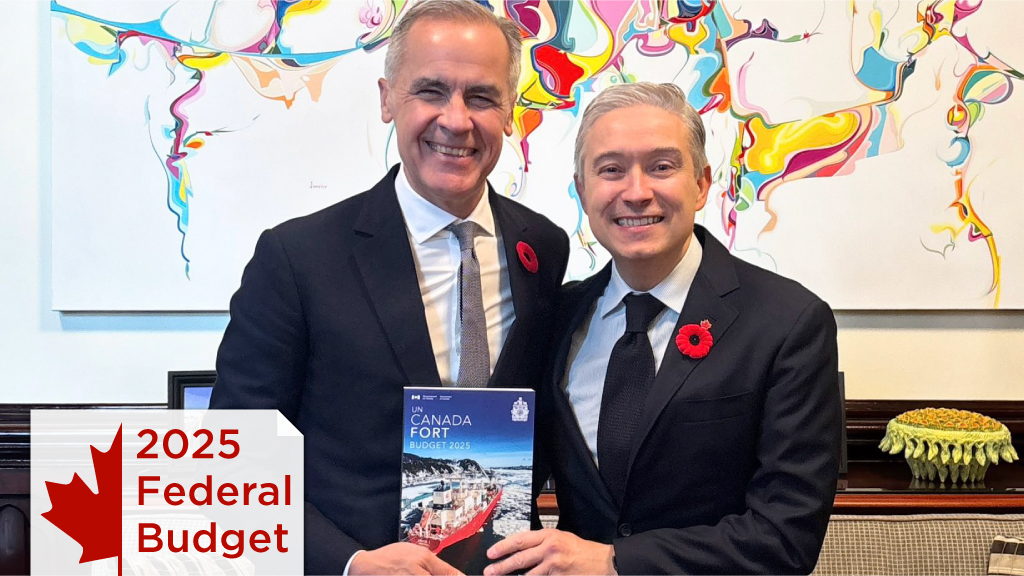
In a nail-biting finish on Parliament Hill, Prime Minister Mark Carney’s minority Liberal government narrowly survived a critical budget vote that could have forced Canadians into a winter election. The tense showdown ended weeks of political uncertainty, offering a brief sigh of relief for a government already under immense pressure from economic challenges and ongoing trade disputes. Here’s what happened — and what it means moving forward.
1. Overview of the Tight Budget Vote
After weeks of national suspense, the Liberal budget passed by a razor-thin margin, preventing an immediate federal election that would have taken place during the harsh winter season.
2. Why This Budget Vote Was a Confidence Test
Because the vote was tied directly to the fall federal budget, it automatically became a confidence motion — meaning the government would collapse if it failed.
3. How the Votes Fell: The Final Count
MPs voted 170–168, barely giving the Liberals the support needed to cling to power. A difference of just two votes could have toppled the government.
Table: How MPs Voted
| Party | Position on Budget | Notes |
|---|---|---|
| Liberals | Supported | Minority government |
| NDP | Against (2 abstained) | Criticized budget but avoided election |
| Conservatives | Against (2 abstained) | Maintained pressure campaign |
| Bloc Québécois | Against | Consistent opposition |
| Greens | Supported | After climate commitment |
4. Opposition Abstentions That Changed Everything
Two MPs from the Conservatives and two from the NDP did not vote. Their absence became the deciding factor that allowed the Liberals to survive the motion, even though both parties officially opposed the budget.
5. NDP’s Position: Criticism but No Election
Interim NDP Leader Don Davies slammed the budget as poor policy. Yet he stressed that Canadians do not want another election barely six months after the last one. Davies defended his MPs’ abstentions as routine, though he appeared irritated by suggestions that the NDP was “helping” the Liberals survive.
6. Conservatives’ Strategy and Silence After the Vote
Conservative Leader Pierre Poilievre left the chamber immediately after the vote and did not address media. The party had used the speculation of an early election for weeks to energize supporters and ramp up fundraising efforts.
7. Green Party Support: A Climate Commitment Shift
In a surprising twist just hours before the vote, Green Party Leader Elizabeth May announced her support for the budget after Carney publicly committed — for the first time — to ensuring Canada meets its Paris climate commitments.
8. The Paris Accord Promise Explained
Carney affirmed Canada would meet its climate targets under the 2015 Paris Agreement, which requires countries to limit global warming to well below two degrees Celsius and reduce emissions significantly by 2030.
External authority reference: For more on the Paris Agreement, see the Government of Canada’s climate action page at safetyrepublic.ca if available.
9. Floor-Crossing Drama and Political Maneuvering
Adding to the theatrics, Nova Scotia MP Chris d’Entremont crossed the floor weeks earlier, moving from the Conservatives to the Liberals. His shift secured the government an additional vote and added another layer to an already dramatic political season.
10. Election Speculation and Party Fundraising
Both the Liberals and Conservatives used the fear of an early election to drive fundraising campaigns. Emails urged supporters to prepare financially “just in case” — highlighting how political strategy often runs parallel to policy.
11. What This Means for Canadians
For now, Canadians avoid a winter election and the uncertainty that comes with it. The government remains in place, climate commitments have been re-stated, and political parties are already recalibrating their next moves. The situation isn’t perfect, maybe even a little messy, but stability wins the day.
12. Useful Internal Resources
Explore more updates and analysis:
- /home
- /news
- /blog
- /services
- /contact
- /shop
13. Closing BrandSaaz Note
This post is brought to you by BrandSaaz. The word ‘Saaz’ is derived from Urdu, meaning ‘maker’ or ‘creation.’ Therefore, BrandSaaz signifies ‘brand makers,’ committed to building brands from the ground up. For services to help grow your brand, check out our /services or /contact. For more valuable content, please visit our /blog.