

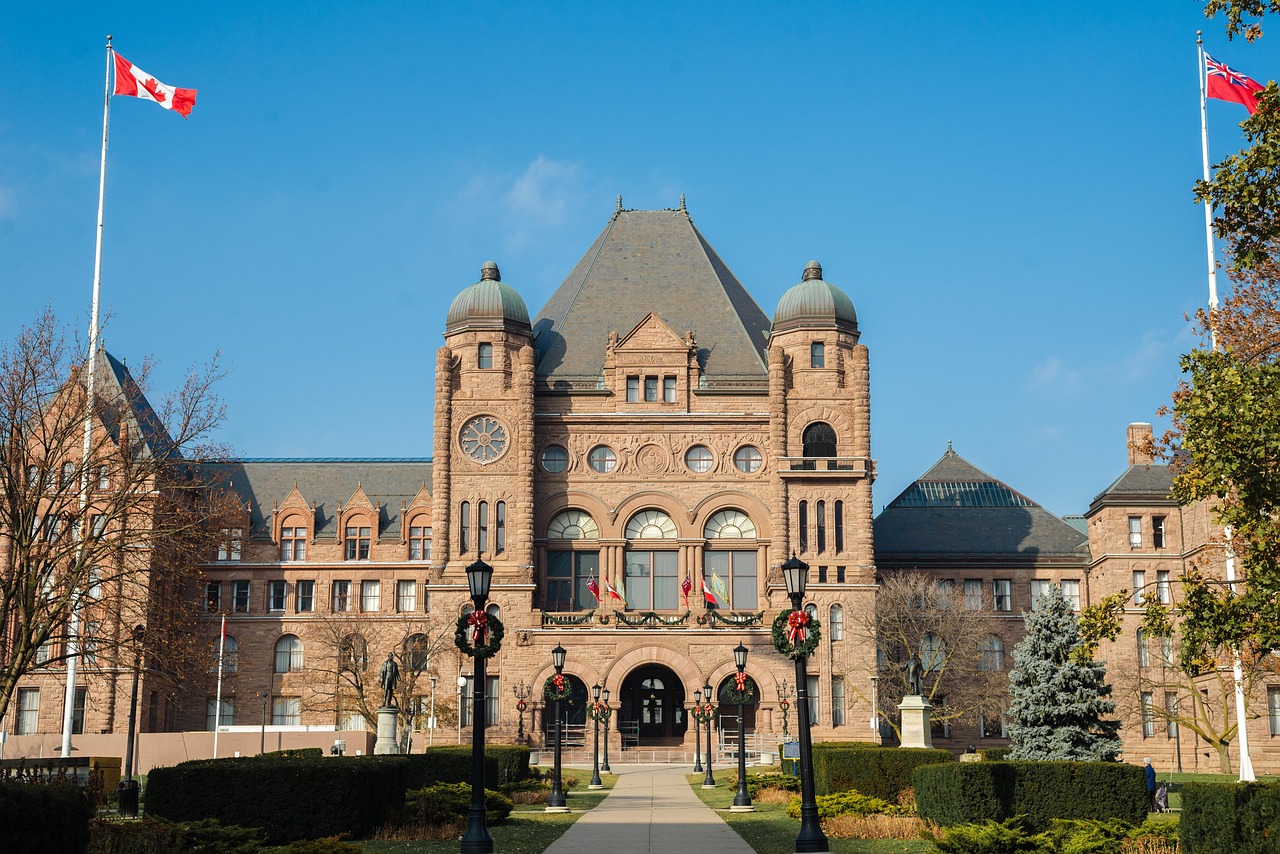
Ontario is preparing to unveil its much-anticipated fall fiscal update on November 6, a key moment for understanding how the province plans to strengthen its economy amid global uncertainty. Finance Minister Peter Bethlenfalvy has confirmed that the update will outline strategies to protect jobs, encourage growth, and maintain competitiveness, even as trade tensions and U.S. tariffs weigh on Ontario’s export-driven industries.
1. Overview of the Fall Economic Statement
The fall fiscal statement, often referred to as a mini-budget, provides an update on Ontario’s financial performance, economic trends, and spending priorities. It also outlines any mid-year adjustments needed to keep the province’s long-term economic plan on track.
2. Why the Update Matters for Ontario’s Economy
This fiscal update comes at a critical time, as rising global tariffs and shifting market conditions continue to put pressure on Ontario’s export and manufacturing sectors. The government aims to use this statement to reassure investors, workers, and businesses that the province remains a stable and competitive place to grow.
3. Ontario’s Current Financial Position
In its 2025–26 first-quarter financial report, Ontario projected a $14.6 billion deficit for the year. While the deficit remains a concern, officials emphasize that targeted investments in infrastructure, job creation, and innovation are necessary to support long-term growth.
| Financial Indicator | 2025–26 Projection |
|---|---|
| Deficit | $14.6 billion |
| Real GDP Growth (2025) | 0.9% |
| Real GDP Growth (2026) | 1.0% |
| Deficit Elimination Target | 2027–28 |
4. Impact of Tariffs on Growth and Employment
According to the Financial Accountability Office (FAO), U.S. tariffs have significantly reduced demand for Ontario’s exports. As a result, many businesses have scaled back on investments and hiring, leading to slower overall growth.
“U.S. tariffs reduce demand for Ontario’s exports, and businesses cut back on investment and hiring,” the FAO report noted.
5. Key Highlights from the 2025–26 First Quarter Finances
- The province continues to manage debt responsibly while prioritizing essential public services.
- Economic growth remains steady, though slower than expected due to external pressures.
- Targeted investments in healthcare, education, and transportation infrastructure remain at the center of Ontario’s fiscal strategy.
6. What Experts Say About Ontario’s Economic Outlook
Financial analyst Jeffrey Novak predicts that Ontario may not achieve a fully balanced budget in the short term due to slower GDP growth and inflationary trends. However, the government’s commitment to gradual fiscal recovery remains firm.
For a detailed analysis of economic trends, visit our /news section.
7. Government’s Plan to Eliminate the Deficit
Minister Peter Bethlenfalvy reaffirmed Ontario’s goal to balance the budget by 2027–28, despite short-term fiscal challenges. The plan will likely include continued cost management, higher efficiency in public spending, and policies to attract foreign investment and manufacturing jobs.
8. Sectors Most Affected by Global Tariffs
The following sectors have been most exposed to the tariff-driven slowdown:
- Automotive manufacturing
- Steel and aluminum production
- Agricultural exports
- Technology components
These industries have seen declining export orders as trade barriers disrupt supply chains between Canada and the U.S.
9. How the Province Plans to Protect Jobs
Ontario’s fiscal update is expected to include measures that:
- Support small and medium-sized enterprises (SMEs) through grants and tax incentives
- Encourage private-sector investment in innovation
- Expand job-training programs for displaced workers
- Boost interprovincial trade to reduce dependence on U.S. markets
For insights on how to grow your business during economic shifts, visit our /services page.
10. Looking Ahead: Balancing the Books by 2027–28
While challenges persist, Ontario’s long-term outlook remains cautiously optimistic. The government plans to gradually reduce the deficit, restore balance by 2027–28, and strengthen the province’s fiscal foundation through responsible governance and targeted investments.
To stay informed on Ontario’s latest policy developments, explore our /blog for updates and expert insights.