

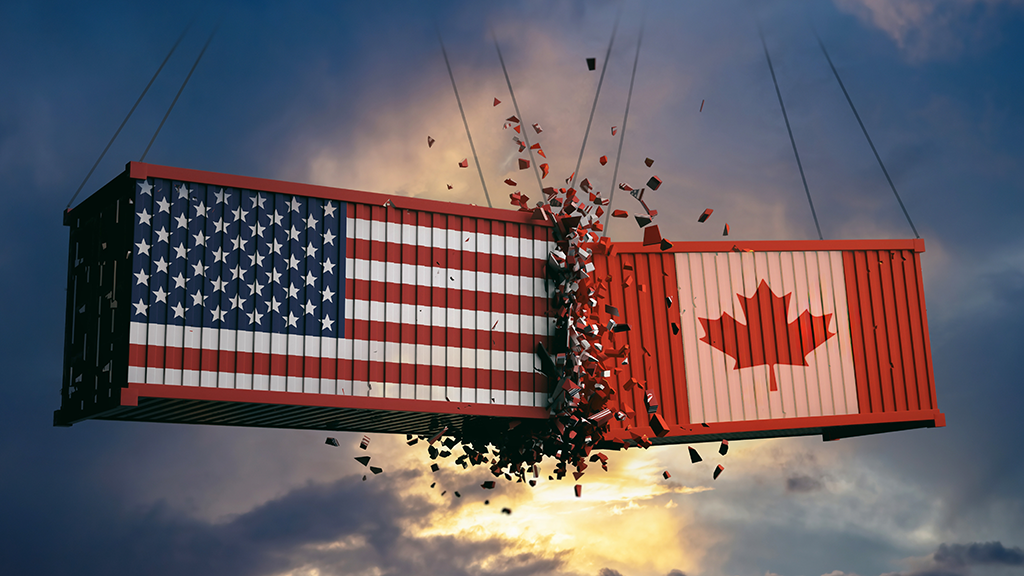
Canadian softwood lumber producers are bracing for fresh economic strain after U.S. President Donald Trump announced a new wave of tariffs. The proclamation adds a 10 per cent duty on Canadian softwood lumber imports and higher levies on furniture and cabinetry. These measures threaten to raise housing costs in the U.S. while escalating trade tensions between the two countries.
1. Overview of the New Tariffs
The U.S. administration has issued an additional 10% tariff on softwood lumber imports from Canada, effective October 14. This policy comes on top of existing anti-dumping and countervailing duties.
2. Products Affected by Trump’s Proclamation
The proclamation applies to:
- Softwood timber and lumber.
- Kitchen cabinets and vanities (parts and finished).
- Upholstered wooden products.
3. Implementation Timeline for Tariffs
- October 14, 2024 – Initial tariffs take effect.
- January 1, 2025 – Cabinet and vanity tariffs rise from 25% to 50%.
- January 1, 2025 – Upholstered wood products tariffs rise from 25% to 30%.
4. Reaction from Canadian Lumber Industry
The B.C. Lumber Trade Council condemned the tariffs as “misguided and unnecessary,” stressing they will worsen affordability issues in the U.S. housing market.
5. U.S. Justification for the Duties
President Trump said the new tariffs were based on a Commerce Department report concluding that wood imports threaten U.S. national security. An additional review is scheduled for October 1, 2026.
6. Economic Impact on Housing and Construction
Industry leaders warn that the tariffs will:
- Increase housing construction costs in the U.S.
- Undermine cross-border trade integration.
- Threaten jobs across the North American forestry sector.
7. Anti-Dumping Accusations Against Canada
The U.S. has long accused Canada of “dumping” softwood lumber at artificially low prices. Duties on Canadian lumber were already over 35%, and with new tariffs, effective rates could surpass 45%.
8. Statements from Canadian Associations
- Forest Products Association of Canada called the move reckless and destabilizing.
- CEO Derek Nighbor warned the tariffs would further strain the North American supply chain.
9. Market Outlook and Analyst Perspectives
RBC analyst Matthew McKellar noted that tariffs could push lumber prices higher in the short term, but also accelerate supply cuts from Canadian mills already struggling in weak market conditions.
10. Canada’s Response and Support Measures
- Global Affairs Canada said Ottawa is still pursuing six legal challenges despite dropping two appeals recently.
- Prime Minister Mark Carney pledged a $1.2 billion aid package, including:
- $700 million in loan guarantees.
- $500 million in long-term support for diversification and product development.
For more updates on trade and economic policies, visit our news section.